Nonalcoholic wine used to feel like a punishment pour: flat, grapey, and weirdly sweet. The category has grown up fast. Now you can find bottles that actually behave at the table, meaning they can cut through richness, echo herbs and citrus, and hold their own next to real food. The trick is knowing what you are tasting and what you should not expect.
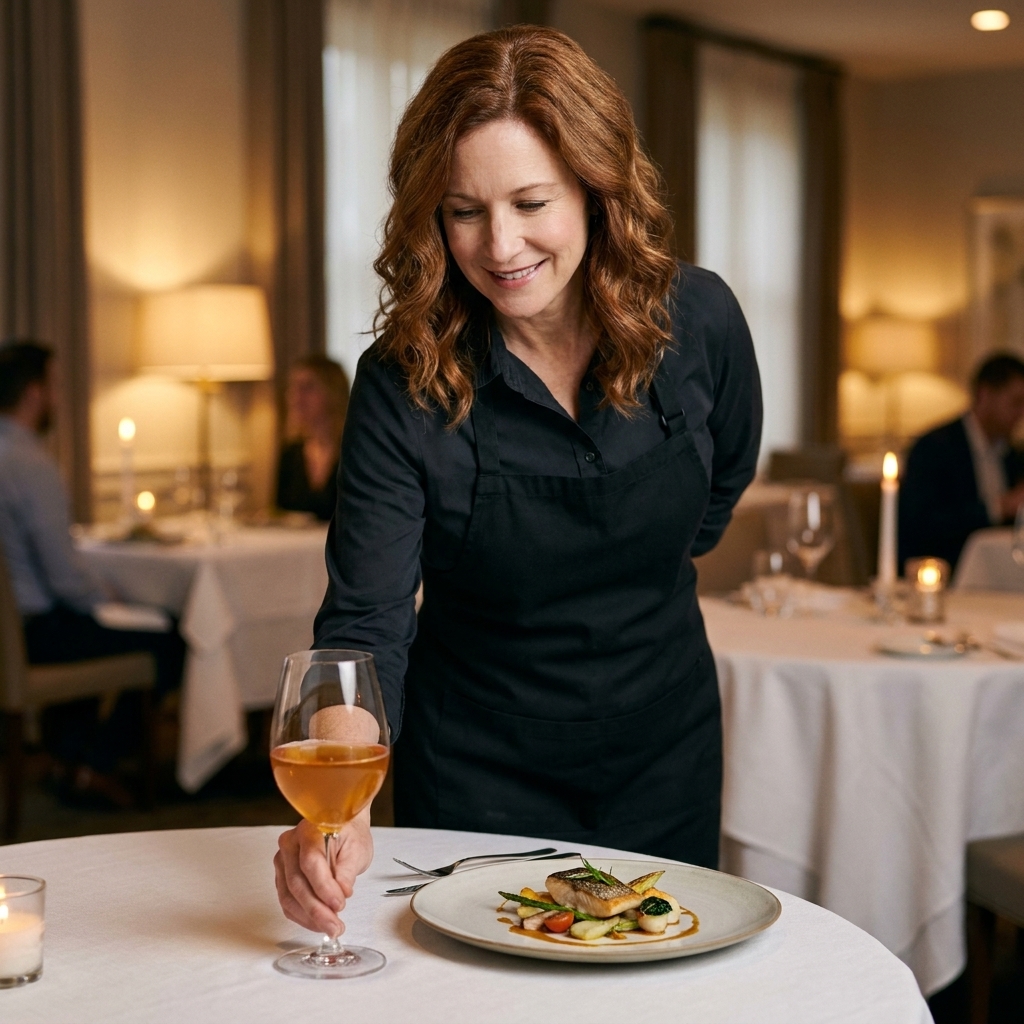
Think of this as the restaurant way to order: you are not hunting for the “best” NA wine in a vacuum. You are picking the right body, sweetness, and acidity for what is on the plate, plus the right format, sparkling or still, for the moment.
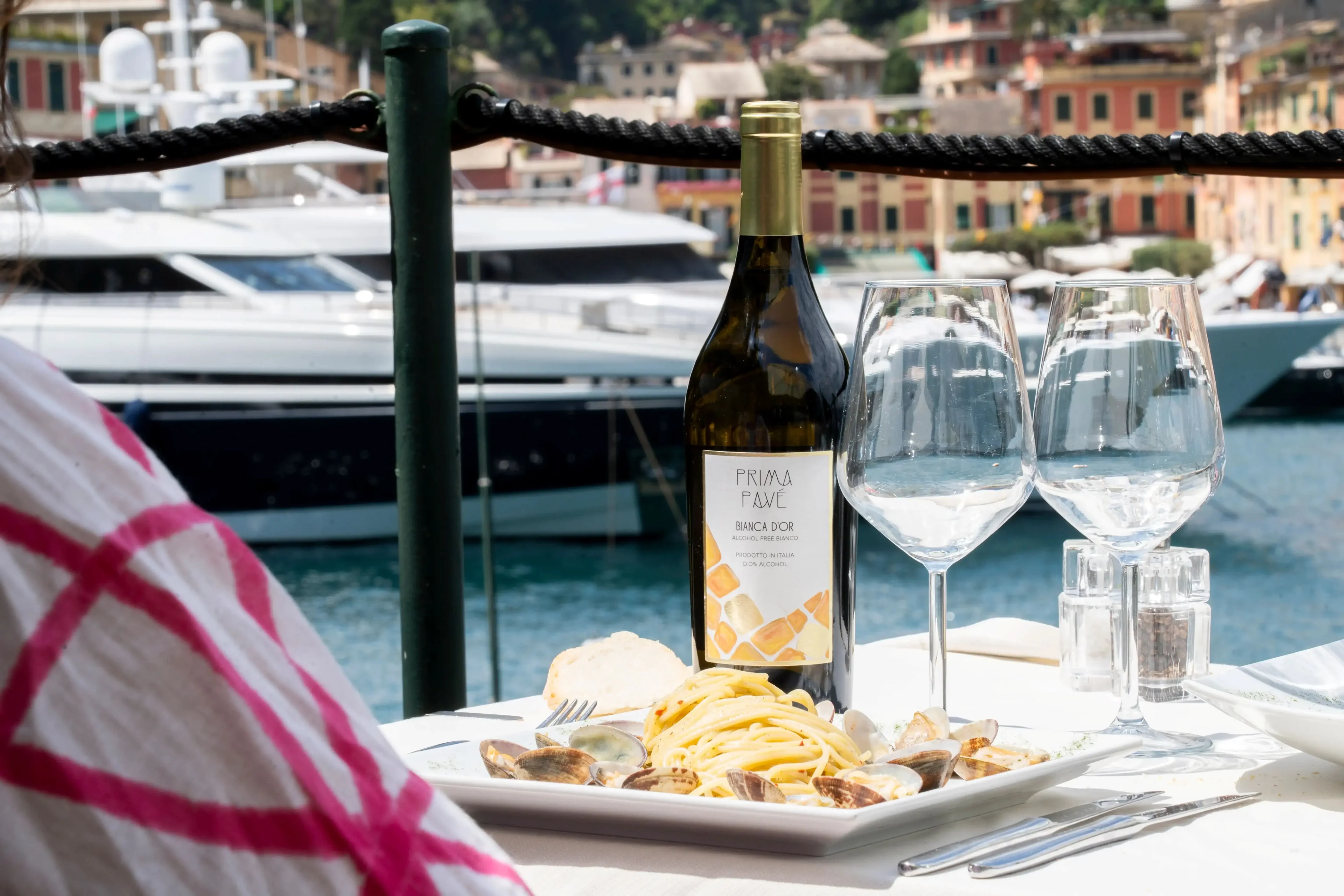
First, set expectations
Many nonalcoholic wines are dealcoholized wine, meaning they start as fully fermented wine, then have the alcohol removed. Common methods include vacuum distillation, reverse osmosis, and spinning cone column. That matters because alcohol is not just buzz. It carries aroma, adds weight, and helps create that warming, lingering finish. When you remove it, you often lose some mid-palate and length.
Also worth knowing: the “NA wine” shelf can include a few different things. Dealcoholized wine is the closest to traditional wine, but you will also see wine-based beverages and products built from partially fermented grape must or blends. They can be delicious, but they may drink more like a crafted grape aperitif than a true wine substitute.
What good NA wine does well is freshness and structure: bright acidity, clean fruit, gentle tannin, and a finish that does not collapse into juice. What it rarely nails is the exact heat and depth of alcoholic wine. So pair it the way you would pair a lighter, higher-acid bottle and you will be happier.
The four dials: body, sweetness, acidity, tannin
Body: light, medium, or round
Body is the weight of the wine in your mouth. With NA wine, “full-bodied” is uncommon. Many drink more like light to medium wines.
- Light-bodied: great with salads, seafood, delicate vegetables, sushi, or anything you would normally pair with a crisp white.
- Medium-bodied: your weeknight workhorse for roast chicken, grain bowls, creamy pastas that are not too heavy, and casual cheese boards.
- Round: often comes from residual sugar and or added body (for example, grape concentrate or must). Use it with spicy food, salty snacks, or rich dishes where a little sweetness helps.
Sweetness: dry, off-dry, or sweet
This is the dial people underestimate. A lot of NA wines read sweeter than their labels suggest because alcohol is gone and fruit can feel louder. Use this quick cheat:
- Dry: best for dinner pairings. Look for “dry,” “brut” (for sparkling), or tasting notes like citrus, green apple, mineral, herbal.
- Off-dry: a lifesaver with heat and salt. Think Thai, Korean fried chicken, barbecue, or salty cheeses.
- Sweet: treat it like dessert wine or a mixer. Pair with fruit desserts, chocolate, or brunch plates.
Acidity: the dinner backbone
Acidity is what makes wine feel refreshing and food-friendly. If you want one reliable rule: acid loves fat. A high-acid NA white or sparkling option can lift creamy sauces, fried food, and richer fish.
Labels are not always transparent here, so scan tasting notes for: lemon, lime, grapefruit, green apple, gooseberry, mineral, crisp, zippy, bright.
Tannin: handle with care
Red NA wine can be tricky because tannin without alcohol can feel more drying and a little thin at the same time. Part of the challenge is chemistry and perception: dealcoholization can strip some volatile aroma compounds, and without alcohol, sweetness can pop and tannin can feel sharper.
If you love red with dinner, look for words like “soft,” “supple,” “silky,” or “low tannin.” And lean into pairings where the food brings the weight: mushrooms, lentils, tomato sauce, grilled vegetables, burgers, and hearty stews.
Sparkling vs. still
Sparkling: the safest bet
Bubbles add texture and excitement that NA wine sometimes lacks. Sparkling also tends to feel drier and more wine-like, even when there is a touch of sugar.
- Pair it with: fried anything, salty snacks, oysters, sushi, roast chicken, creamy pasta, soft cheeses, brunch.
- Look for: “brut,” “extra brut,” “0.0% sparkling,” or “dealcoholized sparkling wine.”
- Also good: “traditional method,” if available. Some NA sparklers start as traditional-method wine before dealcoholization, but it is not a universal label cue.
- Expect: bright fruit, clean finish, and a sharper snap. It is often more convincing than still NA wine at the same price point.
Still white: bright and flexible
Still whites are where NA wine can feel genuinely useful at the table. The best ones emphasize citrus, orchard fruit, herbs, and minerality.
- Pair it with: seafood, salads, grilled vegetables, lemony chicken, pesto, goat cheese, simple pastas.
- Look for: Sauvignon Blanc-style brightness, Pinot Grigio-style lightness, or Riesling-style aromatics (just watch sweetness).
Still rosé: the crowd-pleaser
Rosé is forgiving: a little fruit, a little acid, and enough versatility to survive mixed menus.
- Pair it with: charcuterie, Mediterranean plates, salmon, picnic food, tacos that are not too spicy, summer vegetables.
- Expect: strawberry or watermelon notes and a softer finish than sparkling.
Still red: pick it for sauce
If you are hoping for the deep, warming arc of a big Cabernet, you might be disappointed. But reds can shine with the right match, especially dishes with umami and acidity.
- Pair it with: mushroom risotto, lentil stew, tomato-based pasta, pizza, eggplant parm, burgers, grilled sausages.
- Look for: Pinot Noir-style light reds or blends marketed as “smooth” and “medium-bodied.”
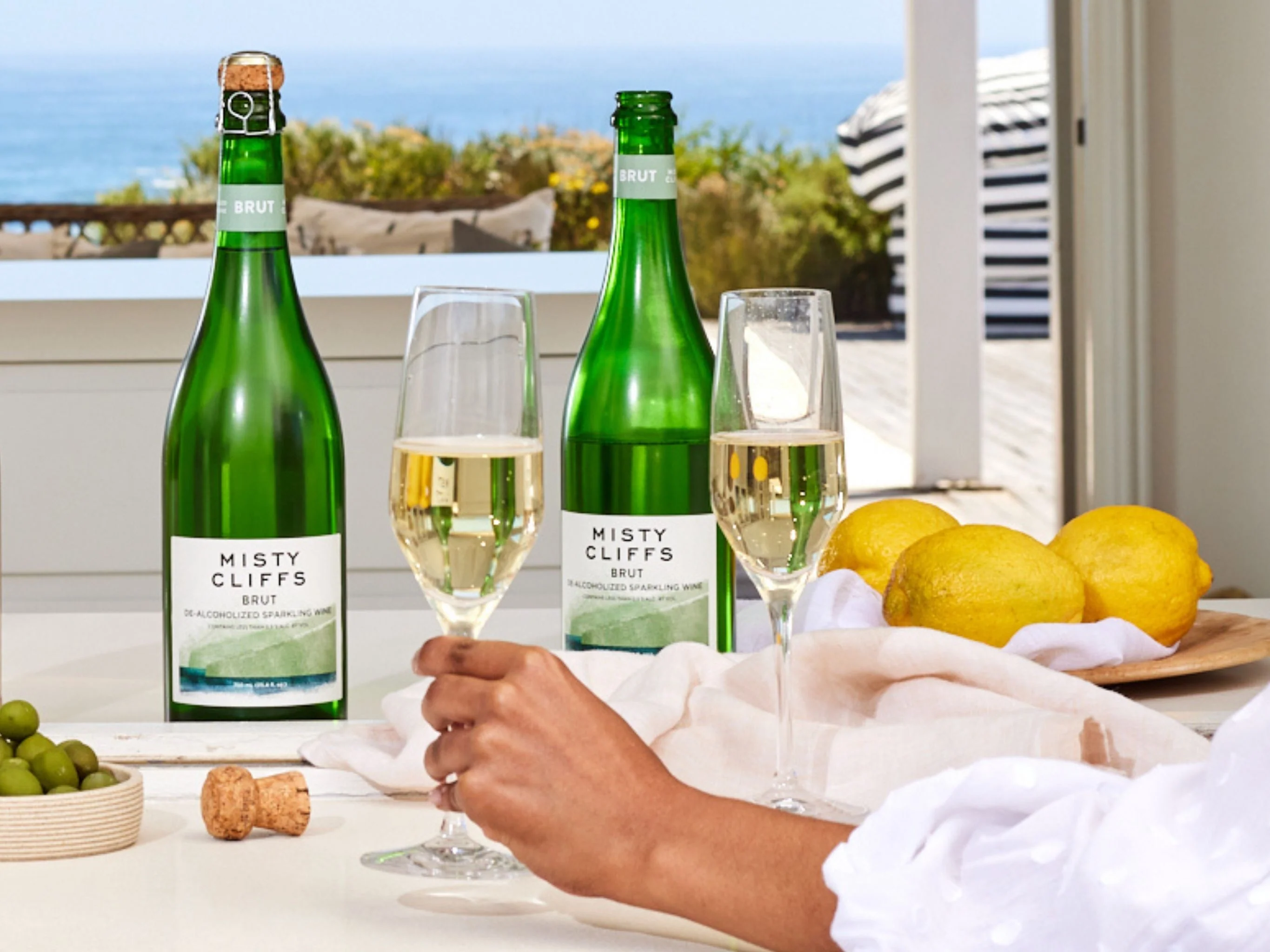
Easy pairing map
Rich and creamy dishes
Think alfredo, mac and cheese, buttery fish, cheesy casseroles.
- Pick: high-acid sparkling brut or a crisp still white.
- Why: you need lift and cut, not more sweetness.
Spicy food
Think Thai curries, hot wings, Sichuan, chili oil noodles.
- Pick: off-dry white or off-dry sparkling.
- Why: a little sweetness cools heat and makes the pairing feel intentional.
Tomato sauce and tangy dishes
Think marinara, pizza, shakshuka, anything with vinegar or bright acidity.
- Pick: light to medium NA red, or a crisp rosé.
- Why: you are matching acid with acid, and avoiding reds that taste hollow next to tomatoes.
Grilled meats and smoky flavors
Think burgers, barbecue, grilled sausages, charred vegetables.
- Pick: medium-bodied NA red that is not too tannic, or sparkling brut if the menu is saucy and sweet.
- Why: smoke and char need structure, and bubbles handle sticky sauces surprisingly well.
Seafood and briny flavors
Think oysters, shrimp cocktail, ceviche, sushi, grilled fish.
- Pick: sparkling brut or a very crisp still white.
- Why: brine and citrus love acidity.
Cheese boards
Instead of chasing the “perfect” NA red, build your board around what NA wine does best.
- Pick: sparkling brut for salty, aged cheeses and charcuterie; off-dry white for blue cheese or spicy meats; rosé for mixed boards.
- Why: bubbles and acid reset your palate between bites.
Mini menu matches
- Sushi night: NA sparkling brut.
- Roast chicken and veg: dry NA white with bright citrus notes.
- Spicy tacos: off-dry Riesling-style NA white.
- Pizza or red sauce pasta: light NA red or crisp NA rosé.
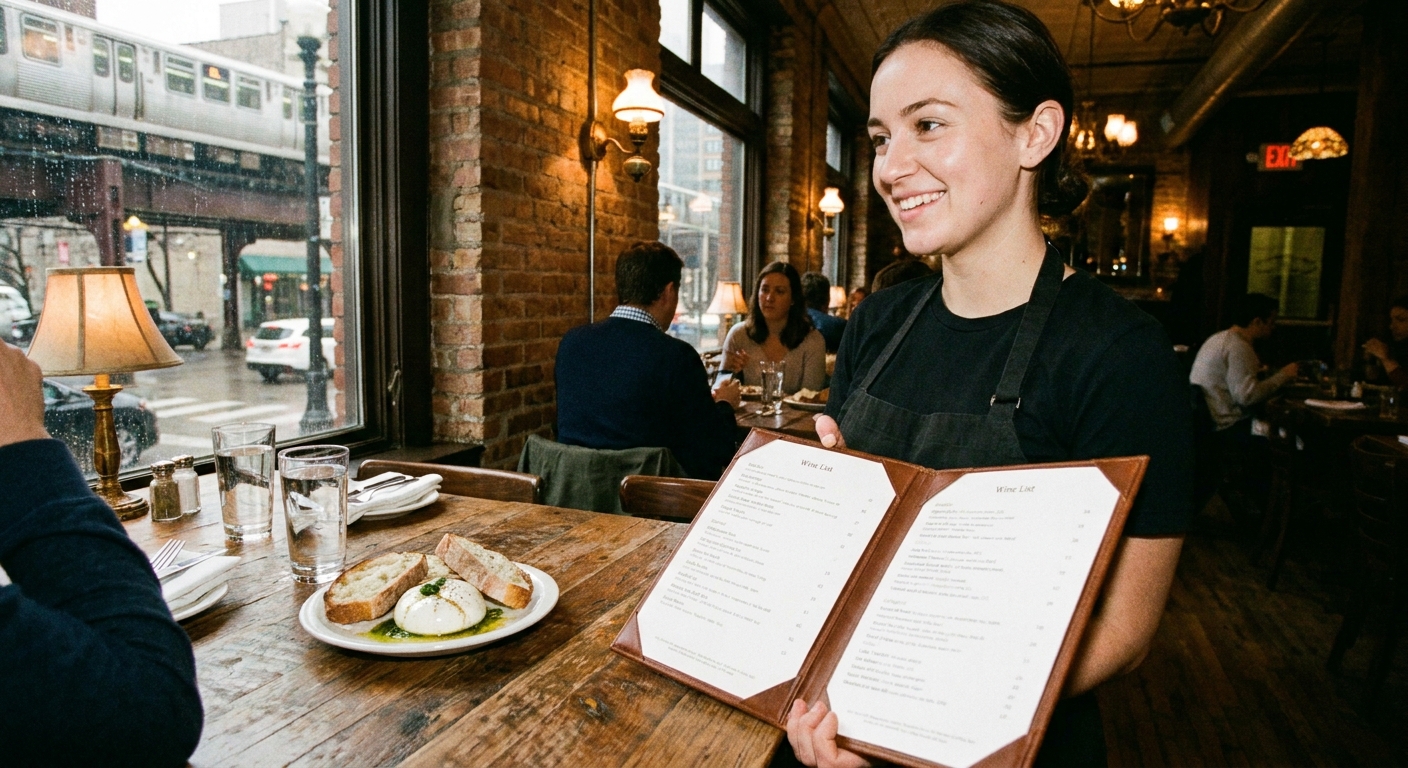
Ordering at a restaurant
Most servers want you to have a great time. Help them help you. A clean, specific order gets the best results:
- Ask what they have by the bottle, not just “do you have NA wine?” Many places carry one sparkling option off-menu.
- Use pairing language: “I am having the salmon. Do you have a dry NA white or a brut NA sparkling?”
- Confirm sweetness if you dislike sugar: “Is it truly dry, or more off-dry?”
- Ask how it is served: Some NA wines are better very cold. Some benefit from a bigger wine glass for aroma.
If you are dining with a group and want to keep the table vibe: order one NA bottle for you, plus whatever the table is having. Most of the time, it will not be a big deal, and a confident order keeps it simple.
Serving at home
Chill it more than you think
Cold tightens sweetness and emphasizes acidity. For most NA whites, rosés, and sparklings, aim for refrigerator-cold. For NA reds, a slight chill often improves balance.
- Sparkling: about 38 to 45°F (3 to 7°C)
- Whites and rosé: about 45 to 50°F (7 to 10°C)
- Reds: lightly chilled, about 55 to 60°F (13 to 16°C)
Use the right glass
A real wine glass helps. The bowl concentrates aroma and makes the experience feel like dinner, not like a substitute. Flutes are festive, but a white wine glass often makes NA sparkling smell and taste fuller.
Open right before serving
Many NA wines fade faster once opened, especially sparkling. If you are serving sparkling, open when guests arrive, not an hour before.
Store it like it matters
Always re-cork and refrigerate. Use a tight sparkling stopper for bubbles. Oxidation in NA wine can show up fast as muted aroma and an apple juice note.
Try a splash-and-build approach
If a still NA wine tastes a little flat, you can nudge it into food-friendliness with dinner-approved add-ons:
- For whites: a squeeze of lemon peel expressed over the glass (not a wedge dropped in) can boost aroma.
- For reds: serve slightly chilled and pair with saucier, umami-forward dishes.
- For sparklings: keep it simple. If you must, a tiny splash of verjus or a bitters alternative can add grip without turning it into a mimosa.
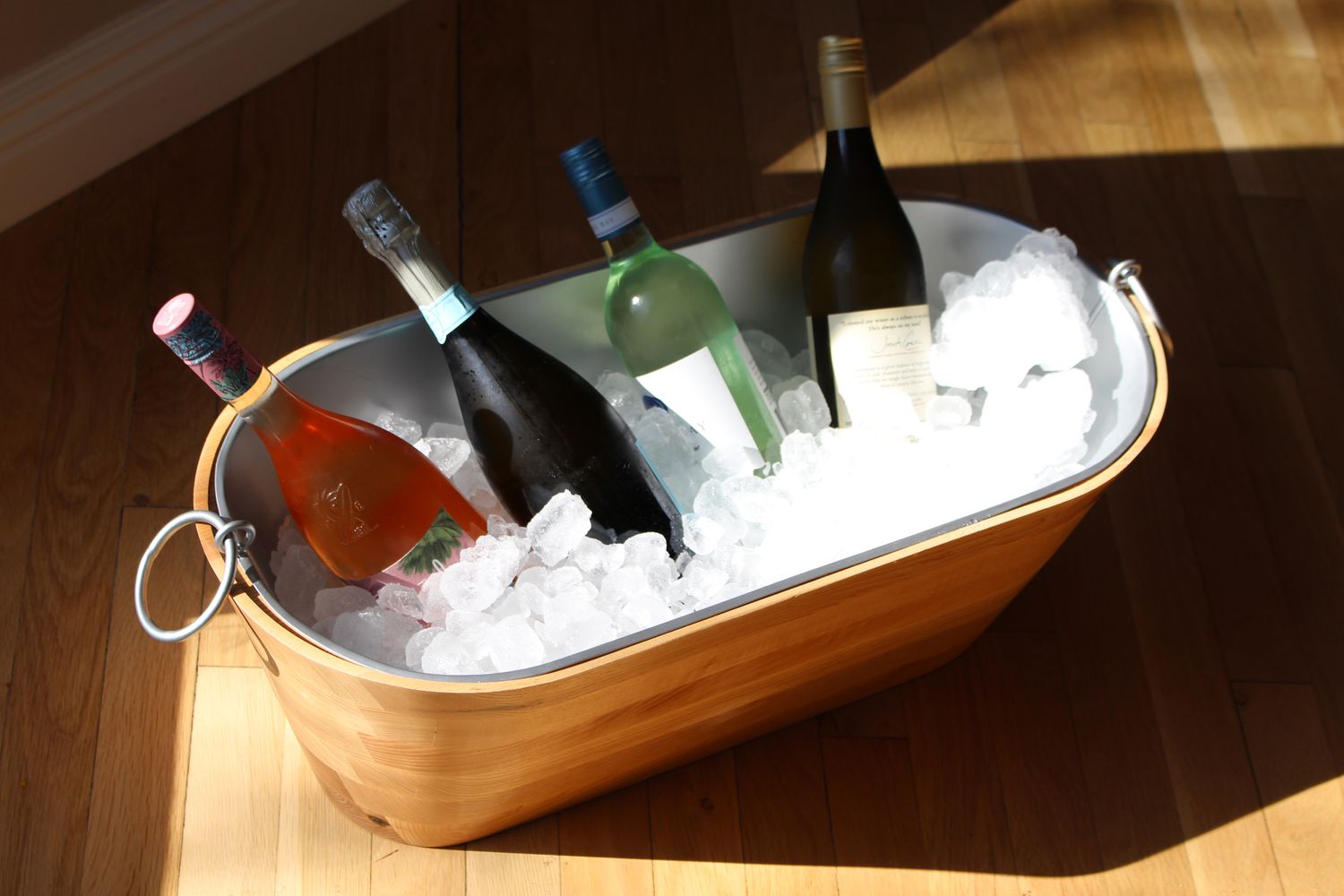
Common styles
NA sparkling brut
- Best for: appetizers, fried food, seafood, creamy mains.
- Flavor lane: citrus, green apple, toasted notes if it is well-made.
NA Sauvignon Blanc-style
- Best for: salads, goat cheese, herb-forward dishes, grilled fish.
- Flavor lane: grapefruit, lime, fresh herbs.
NA Riesling-style (often off-dry)
- Best for: spicy cuisine, salty pork, richer Asian sauces.
- Flavor lane: stone fruit, floral notes, softer acidity.
NA rosé
- Best for: mixed menus, Mediterranean food, salmon, casual gatherings.
- Flavor lane: strawberry, melon, sometimes a candy edge if sweet.
NA red blends and Pinot Noir-style reds
- Best for: tomato sauce, mushrooms, burgers, hearty vegetarian dishes.
- Flavor lane: cherry, dried herbs, gentle spice. Avoid pairing with delicate fish or subtle dishes.
Quick shopping checklist
- Start with sparkling if you are new to NA wine or buying for a crowd.
- Choose dry for dinner unless you are pairing with spice.
- Prioritize acidity in tasting notes: crisp, zesty, mineral, citrus.
- Be cautious with “big red” promises. Pick reds for saucy, umami meals.
- Check the label for sugar when available. If it lists grams per serving, lower usually pairs better at dinner.
- Buy from retailers that move volume, so bottles are not sitting warm for months.
FAQ
Should I decant nonalcoholic wine?
Usually no. Decanting can make NA wine lose aromatics faster. The exception is a tannic NA red that smells tight. A short 5 to 10 minutes in a wide glass can help, but do not leave it out for an hour.
Can I cook with NA wine?
You can, but it will not behave exactly like alcoholic wine because alcohol helps carry flavor and reduce in a particular way. For pan sauces, you may get better results from stock plus a splash of verjus, lemon, or a good vinegar added carefully at the end.
How long does NA wine last after opening?
Typically, plan on 2 to 3 days for still bottles if re-corked and refrigerated, with some whites and rosés holding closer to 3 to 5 days. Sparkling is best the same day, then up to 24 hours with a tight sparkling stopper. If the producer gives specific guidance, follow that.
Is NA wine alcohol-free?
Some bottles are labeled 0.0%, while others are dealcoholized but may contain trace amounts, often up to 0.5% ABV. Labeling rules vary by country, and “non-alcoholic” can legally mean under 0.5% in some places. If you are avoiding alcohol completely, choose bottles clearly labeled 0.0% and confirm if you are drinking for medical, religious, or recovery reasons.