There is a certain kind of hush that falls over a bar when someone tastes a spirit that feels older than the room. Not “old fashioned” old. Older in the way a recipe gets when it is carried through language, ceremony, harvest seasons, and the practical genius of people making something delicious with what the land offers.
Right now, a handful of Indigenous-made and Indigenous-rooted beverages are being reintroduced to some modern cocktail programs. Sometimes that looks like a bottle with a newly designed label. Sometimes it looks like a bartender calling a producer by name, asking what should be said tableside, and what should stay private. The point is not novelty. The point is returning credit, dollars, and dignity to traditions that were sidelined by colonization, criminalization, and the global monoculture of “standard” spirits.
One important nuance up front: not every drink on this list is exclusively Indigenous in today’s production or popularity. Some are widely enjoyed across regions and communities. What links them here is lineage, place, and technique, and the responsibility to be accurate about what you are pouring and who benefits when you sell it.
Below are five traditional beverages making a real comeback, plus what to know before you shake, stir, ferment, or list them on a menu.
1) Sotol (Northern Mexico, Desert Traditions)
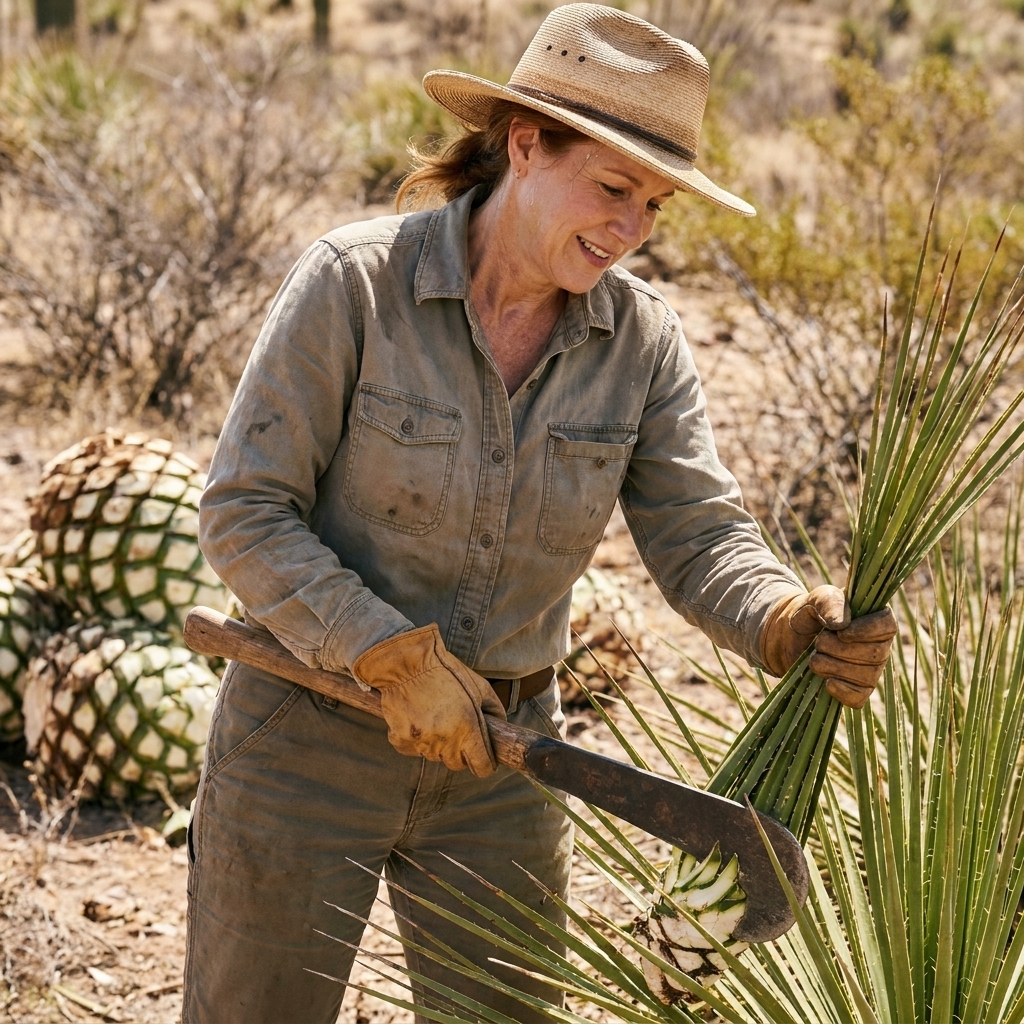
If mezcal is the spirit most people associate with agave, sotol is its desert cousin with a different plant, a different history, and a different personality. Sotol is distilled from Dasylirion (often called desert spoon), a plant that has long been used for food and drink across northern Mexico and parts of the US Southwest. Many contemporary producers trace their techniques through local, often Indigenous, desert communities, though practices and histories vary by region and family.
A note on naming and law: in Mexico, “sotol” is protected as a Denomination of Origin. In the US, the term is used more loosely, and you will see both Mexican DO sotol and US-made sotol-style distillates. If you are writing a menu, be clear about origin.
What it tastes like
Think herbaceous, mineral, and dry, with a green snap that can read like celery leaf, white pepper, desert sage, and wet stone. Some bottlings lean smoky, but many are more about desert aromatics than campfire.
How it shows up in cocktails
- In place of gin for a Martini variation with a saline edge.
- Split base with blanco tequila to give a Margarita more lift and complexity.
- With amaros in stirred drinks where sotol’s savory notes keep sweetness in check.
Ethical use check
Sotol’s revival comes with ecological and labor questions. Wild harvesting can stress slow-growing plants, and production often lives in rural economies that deserve transparency. If you run a program, ask importers and brands about cultivation vs. wild harvest, replanting practices, local wages, and who owns the production.
2) Raicilla (Jalisco, Mexico)
Raicilla is agave distillate with a history that includes prohibition-era workaround energy. For generations, producers in Jalisco’s Sierra and Costa regions made agave spirits outside official channels, keeping techniques alive in family operations long before “craft mezcal” was a global phrase.
What it tastes like
It can range widely, but expect bright citrus, tropical fruit, and peppery florals, sometimes with a funky, fermented edge that feels closer to a rustic rum than to tequila.
How it shows up in cocktails
- Daiquiri riffs where raicilla’s fruitiness makes lime and simple syrup feel electric.
- Highballs with sparkling water, grapefruit, or tonic to let the aromatics float.
- Modern sours with a soft sweetener like piloncillo syrup and a dash of saline.
Ethical use check
Raicilla has a Denomination of Origin, which can protect heritage. It has also been criticized by some observers for potentially excluding certain traditional producers depending on how rules are applied and who is able to participate. Treat it like you would any heritage product: name the producer when possible, train staff to pronounce it correctly, and avoid using it as a “weird mezcal” punchline.
3) Pox (Chiapas, Mexico)
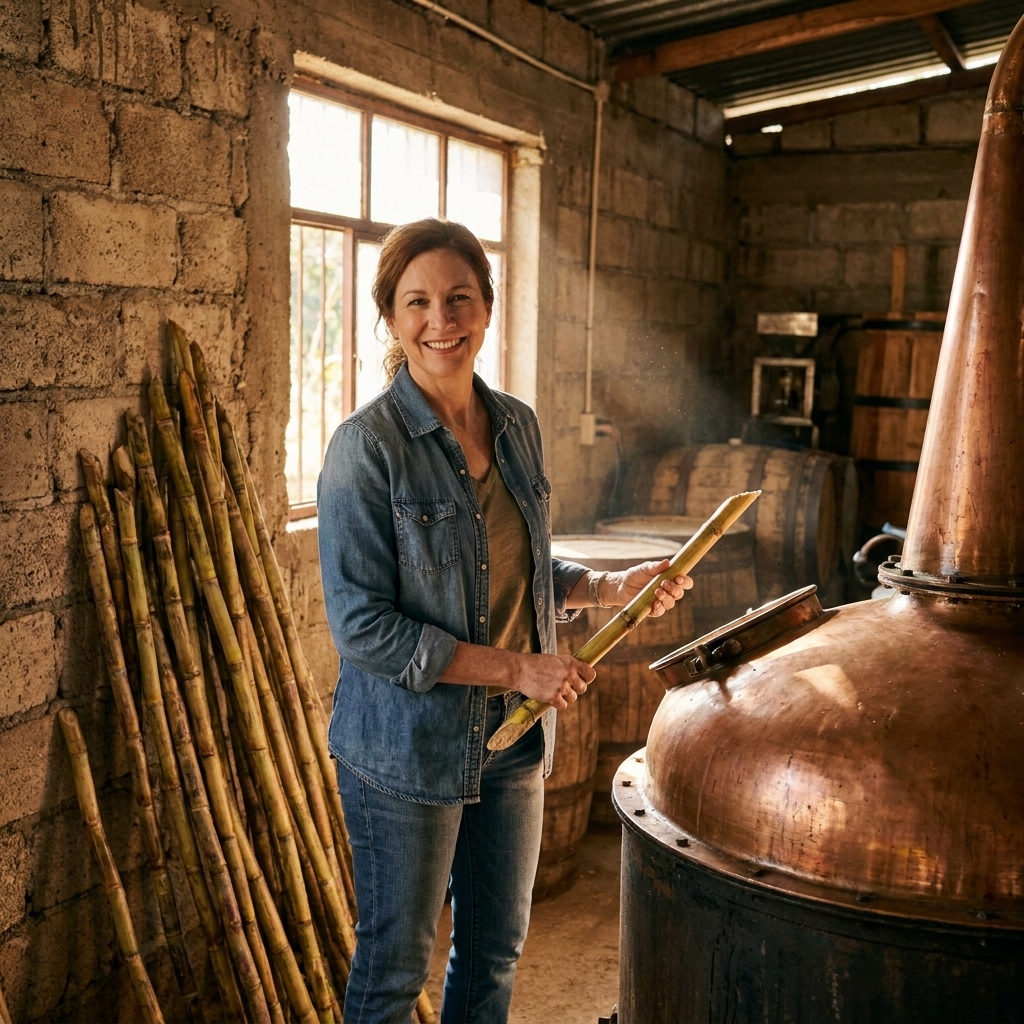
Pronounced “posh,” pox is a traditional sugarcane spirit from the Highlands of Chiapas with deep ties to Maya Tsotsil and Tseltal communities, where it can play a role in ceremonies and community gatherings. Recipes vary dramatically by town and producer. Many are built on sugarcane (sometimes in the form of fresh juice, panela, or molasses), and some include grains like corn or wheat.
What it tastes like
Lightly sweet, grassy, and warming, with a gentle funk and a soft cereal note when grains are part of the mash. Some expressions are infused with botanicals, which can bring spice and floral complexity.
How it shows up in cocktails
- In place of rum for a Mojito-style build that leans more herbal than sugary.
- In stirred drinks with sherry or vermouth to highlight its sugarcane elegance.
- With cacao or coffee for after-dinner cocktails that do not feel cloying.
Ethical use check
Pox is the kind of bottle where context matters. If a bar is going to profit from it, the menu should do more than name-drop. Include producer information, source through importers who can speak to community benefit, and train staff to avoid flattening it into “Mexican moonshine.” Also, note inputs: if your guests navigate gluten, pox made with wheat can be an issue. Always confirm with the producer, not assumptions.
4) Tesgüino and Tejuino (Corn Ferments)
Corn is not just an ingredient. It is a worldview. Across many Indigenous cultures in the Americas, corn-based fermented beverages have long been part of daily life and ceremony. Two drinks that come up often in contemporary conversations are tesgüino (also spelled tesguino, and sometimes referred to as tiswin in older or regional usage, associated with Rarámuri and other communities in the Sierra Madre) and tejuino (a lightly fermented corn beverage popular in western Mexico and enjoyed far beyond Indigenous communities, often served cold with lime, salt, and sometimes shaved ice).
What they taste like
Expect tang, gentle sweetness, and a toasted masa note, like the aroma that hits when a tortilla puffs on the comal. Tejuino is typically low-ABV and refreshing. Tesgüino varies widely by community, season, and method, and it is best talked about with humility and specificity.
How they show up in modern programs
- Low-ABV spritzes built like a sessionable sour.
- As a ferment base for bars exploring house acidity and texture without relying on heavy citrus.
- Paired with agave spirits where corn and agave read like old friends.
Service notes
These are living ferments. Expect short shelf life, shifting carbonation, and flavor drift. Keep them cold, label dates, and build a service plan that does not ask a ferment to behave like shelf-stable soda.
Ethical use check
This is where the line between “inspired by” and “lifting” gets real. If a bar is making a house tejuino-style ferment, be clear whether it is a traditional method learned from someone in that lineage, a collaboration, or a chef-driven interpretation. Credit matters. So does food safety, since ferments can go sideways fast in a restaurant environment. And for allergy-aware menus, corn ferments can be a gift, but verify cross-contact in prep.
5) Pulque (Central Mexico)
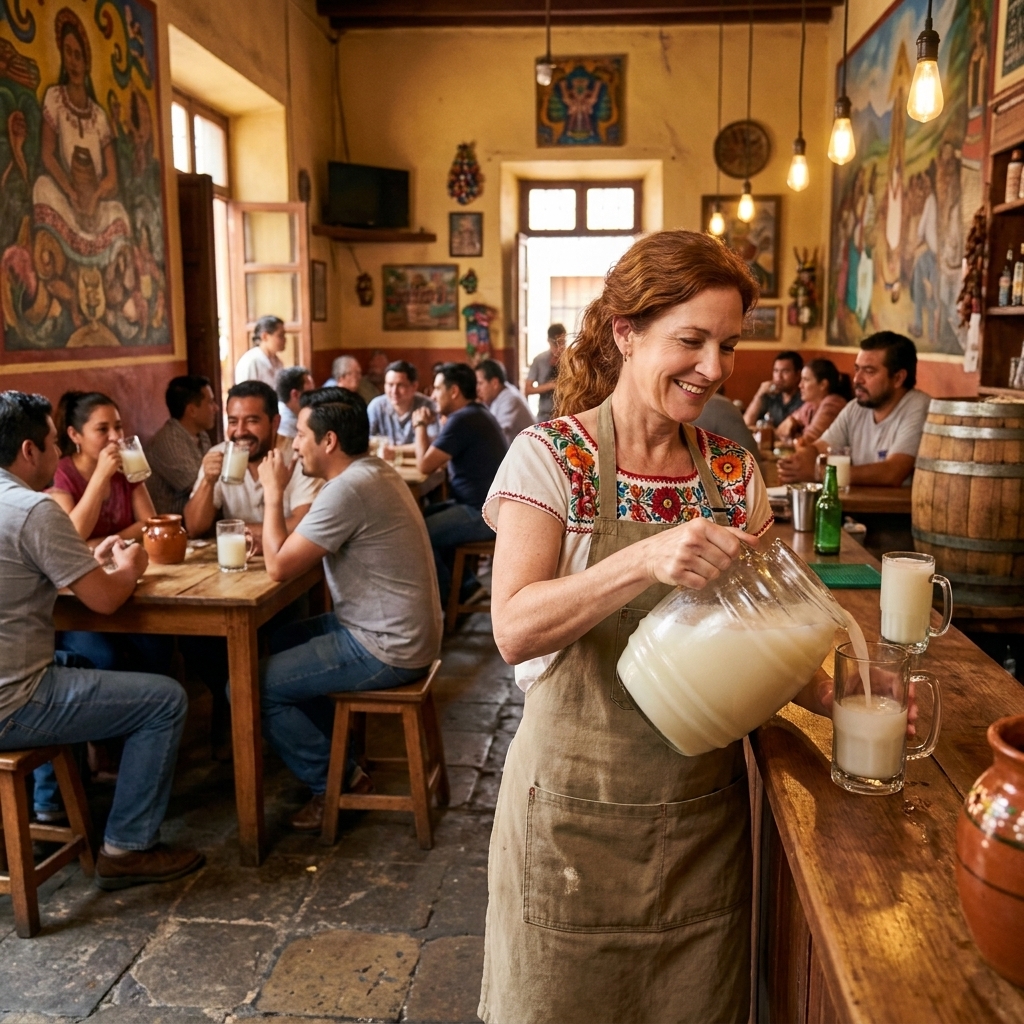
Pulque is one of the great misunderstood drinks. Long before distillation became the headline, there was fermentation. Pulque is made from the fermented sap of certain agaves, and historically it has held social and ceremonial significance in central Mexico. It is not tequila. It is not mezcal. It is its own living thing.
What it tastes like
Fresh pulque is creamy, lightly sour, and yeasty, with a lactic tang that can remind people of kefir or a rustic farmhouse ale. It is often consumed fresh because it continues to evolve.
How it shows up today
Because traditional pulque is perishable and difficult to export in its truest form, the comeback you see may be local pulquerías, pulque-forward pop-ups, or bartenders using pulque-inspired elements such as agave sap ferments or lacto-fermented components to echo the profile.
Ethical use check
Be honest about what you are serving. If it is not pulque made and handled in a traditional way, call it an homage or a pulque-inspired ferment. Guests will respect the clarity, and communities deserve the accuracy.
Respectful use
I have written enough cocktail menus to know how tempting it is to turn every interesting bottle into a one-line story. Heritage spirits and beverages ask for a little more care than a clever name and a garnish.
- Source with receipts. Work with importers and distributors who can explain who owns the brand, where production happens, and how producers are paid.
- Name producers when possible. If you can list a farm for your coffee, you can list a palenque, vinata, or distillery for your spirit.
- Train staff beyond tasting notes. The goal is not a lecture. It is a grounded, respectful sentence that avoids stereotypes and honors context.
- Do not treat sacred items like props. If you do not know, ask. If it is not appropriate, do not do it.
- Build in reality. Some of these bottles are scarce. Some of these ferments are perishable. Write menus that can be executed with consistency and care.
- Think about accessibility. Communicate allergens, especially where grains or infusions are involved. Build at least one thoughtful non-alcoholic option alongside these drinks so “inclusive” is not just a buzzword.
Simple builds
Desert Martini (Sotol)
Build: 2 oz sotol, 1 oz dry vermouth, 1 dash orange bitters, optional 2 to 3 drops saline. Stir cold, strain up, express lemon peel.
Coastal Highball (Raicilla)
Build: 1.5 oz raicilla, 4 oz grapefruit soda or sparkling grapefruit, 0.25 oz lime, pinch of salt. Build in a tall glass over plenty of ice, quick stir.
Highlands Stir (Pox)
Build: 1.75 oz pox, 1 oz fino sherry, 0.25 oz honey syrup (1:1), 1 dash aromatic bitters. Stir, strain up, citrus peel.
Sourcing notes
If you are trying to bring these into a working bar program, a few practical questions will save you time and help you do this right.
- Ask what is actually in the bottle. For pox and other regional spirits, mash bills and infusions vary. Get specifics from the producer or importer.
- Ask about harvest and replanting. Especially for wild or semi-wild plants like sotol.
- Ask who owns the brand and facility. If the story is “community,” there should be a clear answer for how value returns to that community.
- Plan for availability. If it is allocation-only, build a rotating feature, not the anchor of your best-selling drink.
I am not naming specific brands here because availability and ownership structures change quickly across markets. The most respectful move is often the most basic one: name the producer you are actually pouring, and be ready to say where it comes from in one accurate sentence.
FAQ
Are these always gluten-free?
No. Proper distillation removes gluten proteins, but risk can come from additives, flavorings, and cross-contact. Also, several beverages discussed here are fermented and not distilled (tejuino, tesgüino, pulque), and those can contain gluten if grains are involved or if cross-contact happens in prep. For guests with celiac disease or severe intolerance, the only responsible move is to check with the producer and communicate clearly. As someone who developed a serious gluten intolerance after years in the industry, I will say this plainly: guessing is not hospitality.
Is it cultural appropriation to put these on a menu?
It depends on how you do it. Buying from Indigenous producers or community-benefiting brands, naming sources, paying fairly, and telling accurate stories are steps toward ethical participation. Using a tradition as aesthetic without credit, context, or benefit to the people who carry it is where bars get it wrong.
What should guests look for when ordering?
Look for producer names, origin details beyond “Mexico,” and a staff that can answer simple questions respectfully. If the vibe feels like a dare, skip it. If it feels like craft plus care, order the drink and tip like you mean it.
We talk a lot in this business about “revival,” but nothing revives itself. People do. When Indigenous beverages reappear on modern back bars, the best-case scenario is not a trend. It is a rebalancing. A chance for drinkers to taste something beautiful, and for the communities behind those traditions to be recognized, compensated, and respected in the process.