I learned to stop being shy about ingredients the hard way: after my gluten intolerance kicked in, a “quick glass of house red” could turn into a night of regret if I didn’t ask the right questions. The good news is that for most diners, most of the time, wine is one of the safest alcohol choices when you are avoiding gluten. The trick is knowing the few situations where that glass is not just fermented grapes.

So, is wine gluten-free?
Plain grape wine is considered gluten-free. At its core, wine is made from grapes fermented by yeast, and those ingredients are naturally gluten-free. In testing and in practice, most traditional still wines generally come in under the commonly used gluten-free threshold of 20 parts per million, even though wineries do not usually label or test every bottle for gluten the way packaged foods might.
Where people get burned is not the Cabernet itself. It is the add-ons, the shortcuts, and the bar programs where “wine” on a menu line can mean something flavored, tapped, or pre-mixed.
Where gluten can sneak into a glass of wine
1) Flavored and specialty wines
If it tastes like something other than grapes, ask more questions. The biggest risks are wine-based cocktails and flavored wine beverages where “natural flavors,” colorings, or stabilizers are not clearly disclosed at the point of service.
- Sangria: Often safe, but not always. Some recipes include flavored liqueurs, beer, or malt-based ingredients.
- Mulled wine: Spices are fine, but some batches get boosted with spirits or syrups that can introduce gluten risk.
- Wine coolers and wine-based canned drinks: Many are gluten-free, some are not. A quick reality check is whether it is truly wine, or actually a malt beverage wearing a “wine cocktail” costume.
2) Wine on tap
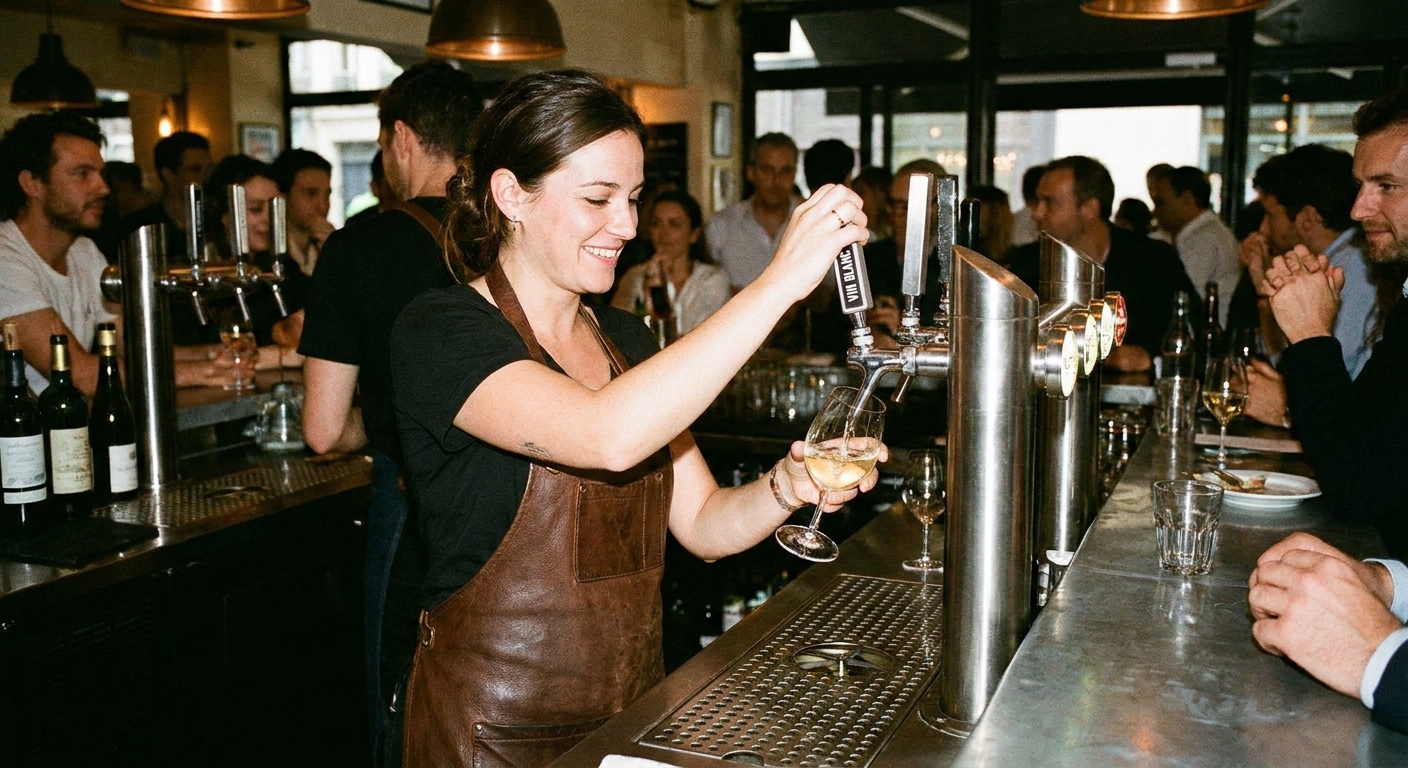
Wine on tap is usually wine in a keg, and the wine itself is typically gluten-free. The concern is shared draft hardware and cleaning practices. Cross-contact is most likely when wine and beer share the same line or the same couplers, or when the draft system is cleaned or swapped in a way that leaves beer residue in the path of the pour.
A dedicated wine-only line is ideal. A bar can have beer on draft and still keep wine safe if the lines and couplers are separate and handled carefully.
In a busy bar, you do not need a lecture about their keg room. You just need one clear answer: is that tap line dedicated to wine only?
3) Fining and processing aids
Fining is a step some wineries use to clarify wine, using proteins that bind to particles and then get removed. Common fining agents include egg whites (albumin), milk protein (casein), gelatin, isinglass (fish bladder protein), and bentonite (clay).
These are not gluten sources. They do matter for vegans and for people with egg, fish, or dairy allergies, but they are not typically a gluten issue.
What about wheat-based fining? It is uncommon in modern winemaking, and not something most restaurants will have detailed visibility into for every bottle. If you have celiac disease and need maximum certainty, choosing a producer that clearly states gluten-free practices or shares allergen information can offer more peace of mind.
4) Barrel aging and sealing materials
There is a long-running worry about wheat paste used to seal some oak barrels. In modern production, this is far less common than people think, and evidence and testing discussions around it generally suggest any risk is minimal. Still, if you are highly sensitive and you notice you react to certain barrel-aged wines, it is worth flagging with your doctor and sticking to producers you tolerate well.
The rare bar pour that is not plain wine
In restaurants, “house wine” almost always means standard still wine. But I have seen enough beverage programs get creative that I now treat these as automatic follow-ups:
- Wine spritzers on draft (pre-batched): Ask what is in the batch and whether any beer, malt beverage, or “gluten-removed” malt product is used.
- Hard lemonade or tea labeled as “wine-based”: Verify the base. Some are fermented sugar and wine, others include malt components.
- Wine cocktails with a foam, float, or flavored rim: The wine may be fine, but the additions may not be.
Cross-contact
If you are gluten-free for medical reasons, the ingredient list is only half the story. Cross-contact can happen when staff are slammed and equipment is shared.
- Glassware: A quick-rinse station is not always the same as a proper wash cycle. If a bar uses fast rinse practices for everything, ask for a freshly washed glass.
- Garnishes: Citrus wedges are usually fine. But any skewered garnish that sits near shared bar tools that also handle beer can be a wildcard.
- Draft systems: Shared lines and shared couplers are the big ones. Dedicated wine lines are ideal.
This is where tone matters. You are not accusing anyone. You are giving the staff a chance to take care of you.
What to ask at the table
When you are holding a wine list or a glass is already in front of you, here are a few lines that work without turning dinner into an interrogation.
If you are ordering from a list
- “Is this a standard grape wine with no added flavors?”
- “Is this served from a bottle or on tap?” (If on tap: “Are the wine lines and couplers dedicated to wine only?”)
If the glass is already poured
- “Quick gluten question: is this a plain wine pour, or is it part of a batch or spritz?”
- “Do you know if anything besides wine goes into this?”
If you have celiac disease or are highly sensitive
- “I have celiac disease. Can you confirm this is straight wine from a bottle and poured into a clean glass?”
- “If it is on tap, are the lines and couplers used only for wine?”
I like questions that are easy to answer with a yes or no. The more you can reduce it to process, bottle vs tap, plain vs flavored, the less you are relying on someone to decode ingredients they cannot see.
Quick cheat sheet
- Usually gluten-free: red wine, white wine, rosé, sparkling wine, Champagne, Prosecco, Cava, and dessert wines made purely from grapes.
- Usually gluten-free, but worth a quick check: fortified wines and aperitifs like port, sherry, and vermouth. They are typically grape-based, but some versions are flavored or packaged as ready-to-drink cocktails.
- Double-check: sangria, wine spritzes, wine-based canned drinks, mulled wine, any “wine cocktail,” and anything labeled like a malt beverage or “gluten-removed.”
- Ask extra questions: wine on tap in bars that also serve beer on draft, especially if they cannot confirm dedicated lines and couplers.
FAQ
Is Champagne gluten-free?
Yes, Champagne and most traditional sparkling wines are gluten-free when they are plain sparkling wine. As always, be careful with flavored sparkling beverages or pre-mixed spritzes.
Is vermouth gluten-free?
Usually, yes. Vermouth is typically fortified wine flavored with botanicals, and it is generally considered gluten-free. The practical catch is ready-to-drink cocktails or specialty versions where the base is not clearly disclosed, so it is smart to confirm when you are ordering a canned or batched drink.
Is cooking wine gluten-free?
Not always. Some cooking wines contain added salt, preservatives, or flavorings. If you are using it at home, check the label. If you are eating a dish made with “cooking wine” in a restaurant, ask what brand they use or whether they cook with standard table wine instead.
Can I react to wine even if it is gluten-free?
Yes. Some people react to alcohol itself, histamines, sulfites, or other compounds in wine. Gluten-free does not automatically mean symptom-free, unfortunately. If you are consistently getting reactions, it is worth tracking the style of wine and talking with a clinician.
Bottom line
If it is plain wine from grapes, it is almost always gluten-free. The exceptions live in the margins: flavored products, batched wine cocktails, and draft setups where wine and beer share equipment. Ask one clean question, get one clean answer, and then go back to the whole point of ordering wine in the first place: a better night out.
If you are gluten-free for medical reasons, especially celiac disease, individual sensitivity varies. A clinician or registered dietitian can help you dial in what is safe for you in the real world.