I have spent enough years on the hospitality side of the pass to know this truth: most kitchens want to feed you well, but they can only meet you where communication and logistics allow. That matters even more when you are traveling, tired, hungry, and trying to decode a menu that reads like a beautiful riddle.
Vegan travel is absolutely doable. It just works best when you treat it like any other part of a good trip: a little planning, a little flexibility, and a lot of respect for the place you are visiting. Below is the strategy I wish every guest showed up with, plus the tools I use when I am the one trying to eat safely and happily abroad.
Start with the reality check
Before you book anything, ask yourself two quick questions:
- Is this trip about food exploration or pure logistics? A remote hiking itinerary and a city break are different beasts.
- How strict do I need to be? Vegan for ethics, vegan for health, vegan with additional allergies, and “mostly plant-based” travelers all need different plans.
If you are strictly vegan, your goal is to remove ambiguity early. That does not mean becoming rigid or loud. It means building a system that reduces last-minute negotiations in a crowded restaurant at 9:30 pm.
Research that helps
Map your food anchors
I like to pick three anchors for every destination:
- A reliable breakfast option near where I am staying (cafe, bakery with vegan items, hotel with a solid spread).
- A grocery store within a short walk for fruit, hummus, bread, instant oats, and emergency snacks.
- One dependable restaurant for the nights when decision fatigue hits.
These anchors buy you freedom. Once you know you can eat, you can spend the rest of your meals chasing curiosity.
Use apps, but verify
HappyCow is the classic for a reason, and Google Maps lists can be gold. Still, I treat app listings like a tip from a friend: promising, not definitive. Cross-check photos of menus, recent reviews, and whether “vegan options” means one salad without dressing.
Search for naturally vegan dishes
If you only look for veganized Western staples, you will miss the best part of travel. Instead, learn what is already plant-forward in the local food culture. In many places, vegan eating is not a trend. It is tradition, seasonality, religious practice, or simply thrift and ingenuity.
Examples of what to look for when you research:
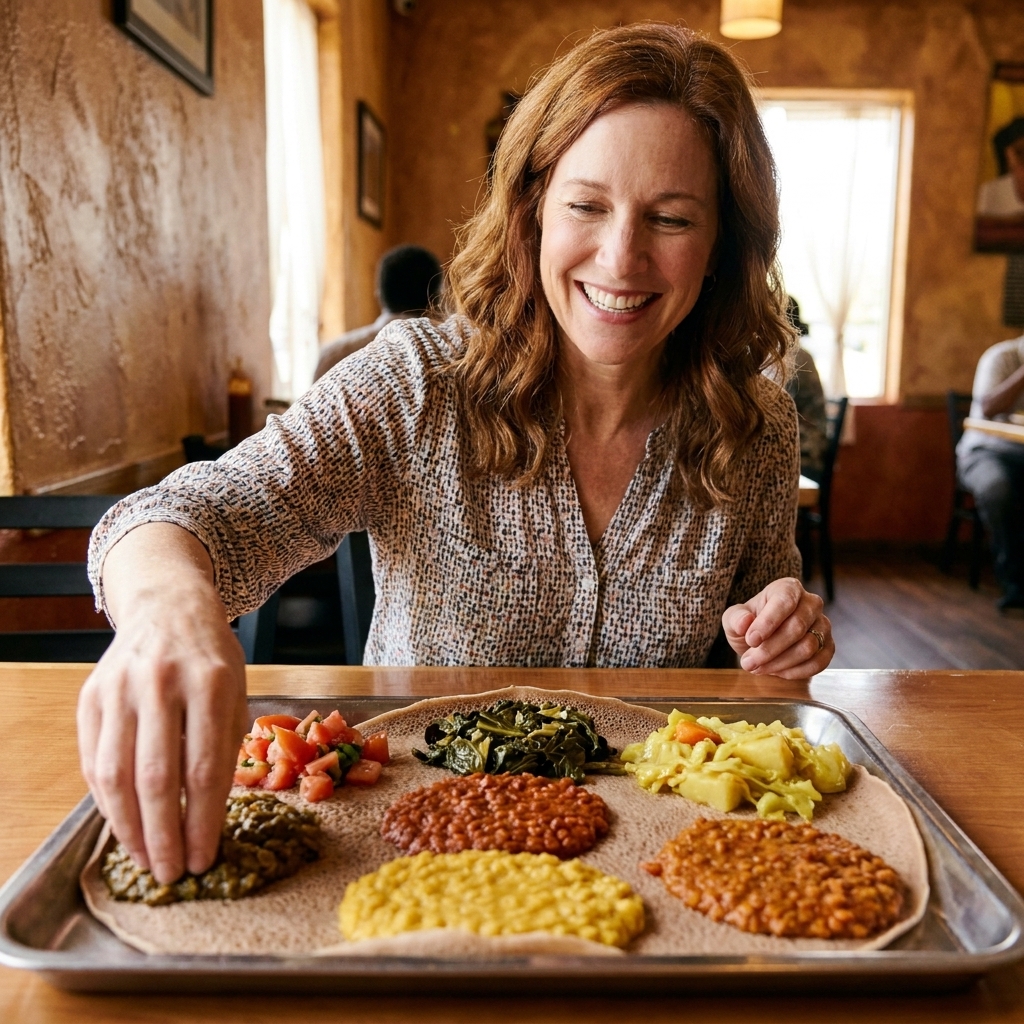
- Religious or fasting cuisines: Ethiopian fasting dishes, many Indian regional traditions, Buddhist temple foods in parts of East Asia.
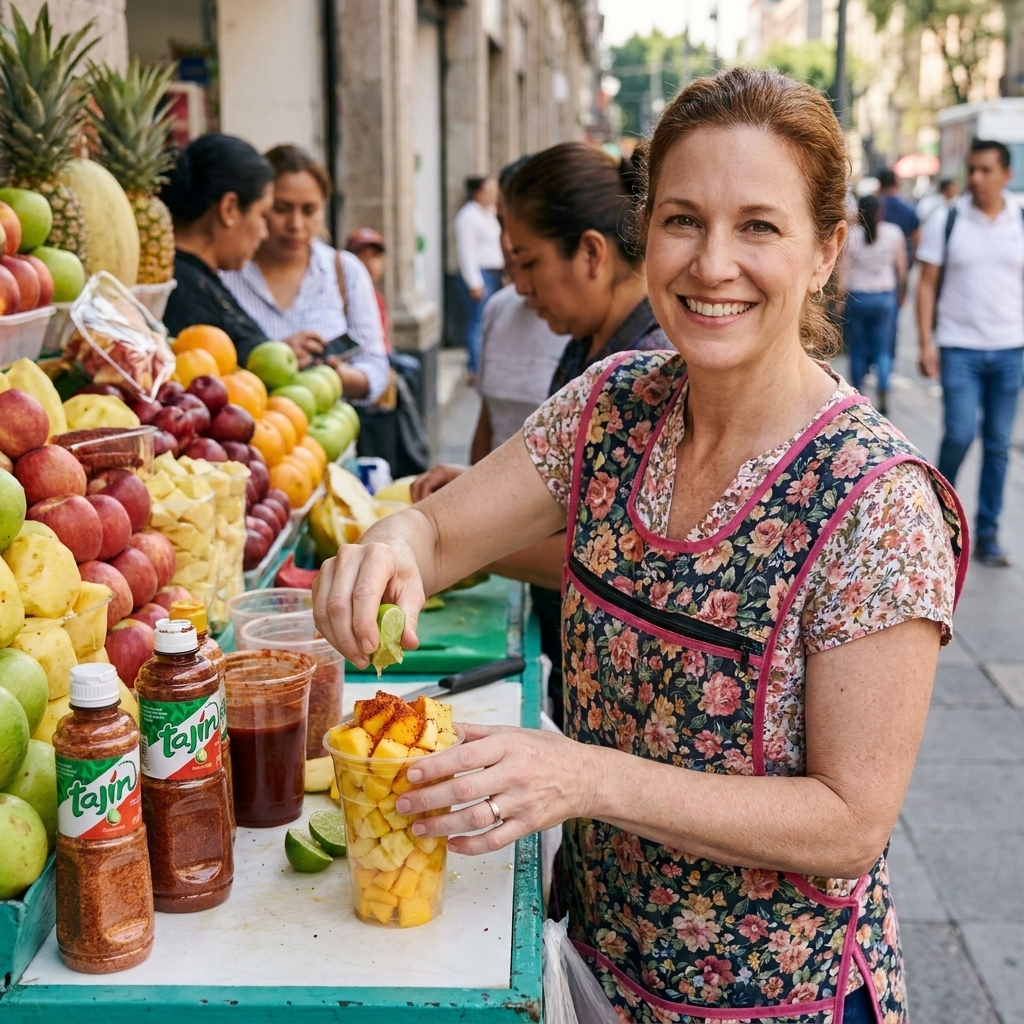
- Street foods built on plants: roasted corn, bean stews, chickpea fritters, rice and lentils, pickled vegetables, fruit cups with chili and lime.
- Accidentally vegan sides: braised greens, rice pilafs, marinated salads, grilled vegetables, olive and mezze plates.
Book like a service pro
Choose accommodations that help
Not glamorous, but impactful: a mini fridge, a kettle, and access to a simple kitchen can turn travel from stressful to effortless. Even if you plan to eat out constantly, having a place to store soy milk, fruit, or leftovers changes everything.
Email ahead, with specifics
If you are staying at a hotel or joining a tour, send one clear message before arrival. Keep it short and operational:
- State you eat no meat, fish, dairy, eggs, or animal broths.
- Ask what breakfast options can be arranged.
- If needed, ask about cross-contact with shared grills or fryers.
Pro tip from the hospitality trenches: staff can do a lot with notice. Without it, you get whatever can be assembled in two minutes between check-ins and room service orders.
Learn the hidden non-vegan list
This is where many travelers get burned, especially in places where animal ingredients are used like seasoning. Depending on the region, research whether these are common:
- Fish sauce, shrimp paste, oyster sauce
- Chicken or beef stock used in rice, soups, sauces
- Ghee, butter, cream in breads and curries
- Egg noodles, egg-washed pastries
- Lard in beans, tortillas, pastries, or frying
- Gelatin in sweets
- Honey in teas, desserts, granola
Packing list
The five items I never skip
- Translation cards (printed and saved offline on your phone).
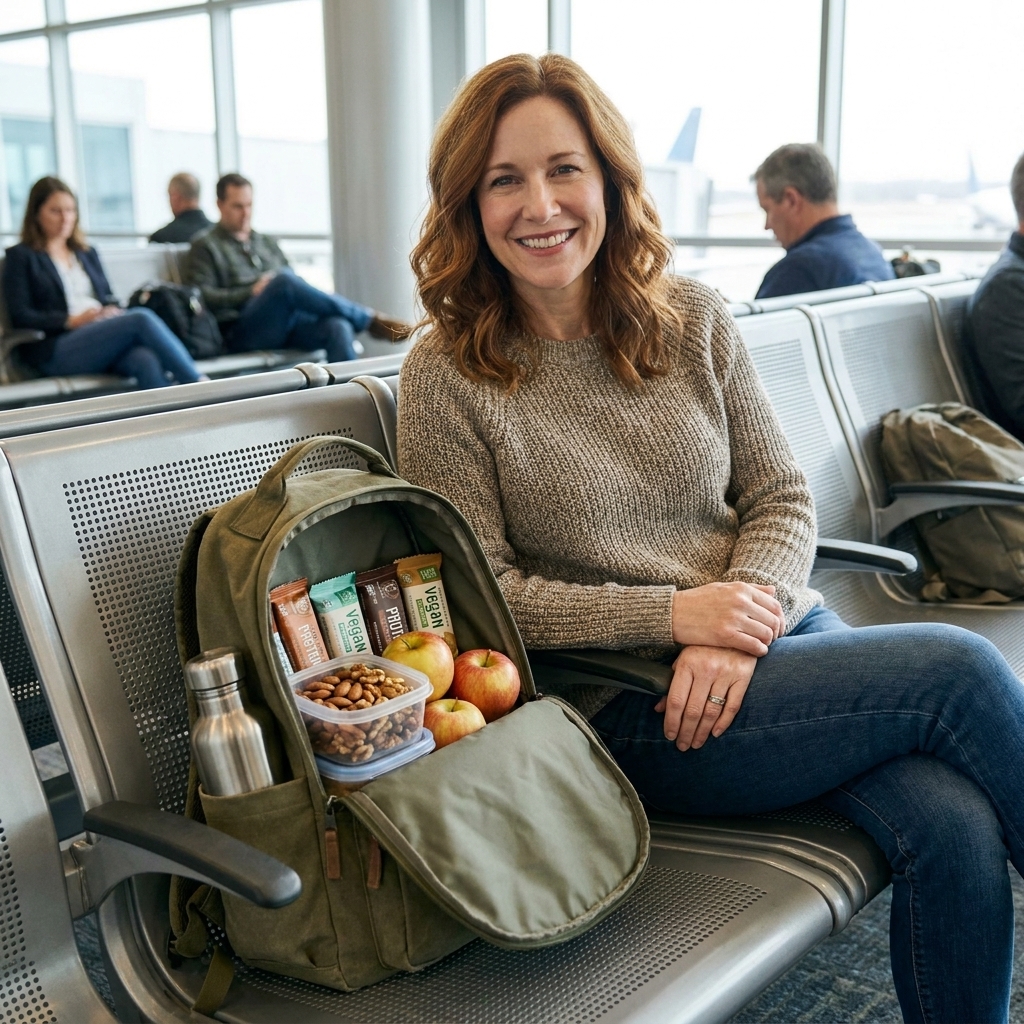
- A backup protein: shelf-stable tofu, roasted chickpeas, protein bars, single-serve nut butter.
- Electrolytes (travel is dehydrating and plant-forward diets can be fiber-heavy).
- A small container of salt or seasoning (useful when your emergency meal is plain rice and vegetables).
- A reusable spork (airports and train stations love a missing utensil moment).
Optional, but clutch
- Instant oats or instant soup cups (check ingredients carefully).
- Non-dairy milk powder for coffee and tea situations.
- Antihistamines and any allergy meds you normally carry, plus a doctor note if you require them.
- Zip-top bags for snacks, leftovers, or separating food from non-food in your day bag.
Translation cards
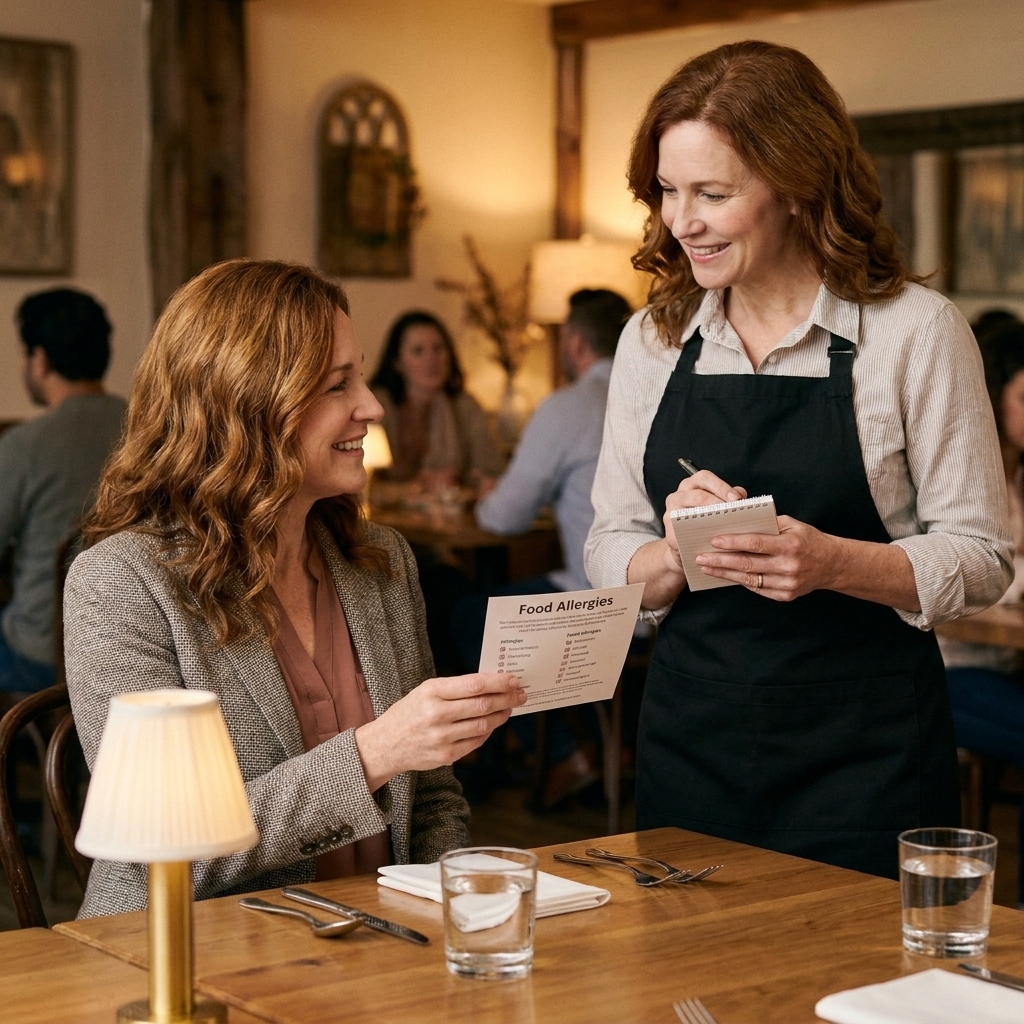
I cannot overstate how much smoother meals get when you hand someone a clear card instead of trying to play charades with “no fish sauce” over a loud dining room.
What a good card should say
- What you do not eat: meat, fish, shellfish, dairy, eggs, animal fat, gelatin, broths, and specific local staples like fish sauce if relevant.
- What is okay: vegetables, fruit, grains, beans, lentils, nuts, seeds.
- A polite request: ask if the dish can be made without those ingredients.
- Cross-contact question if you need it: shared fryer, shared grill, shared cutting board.
How to use them well
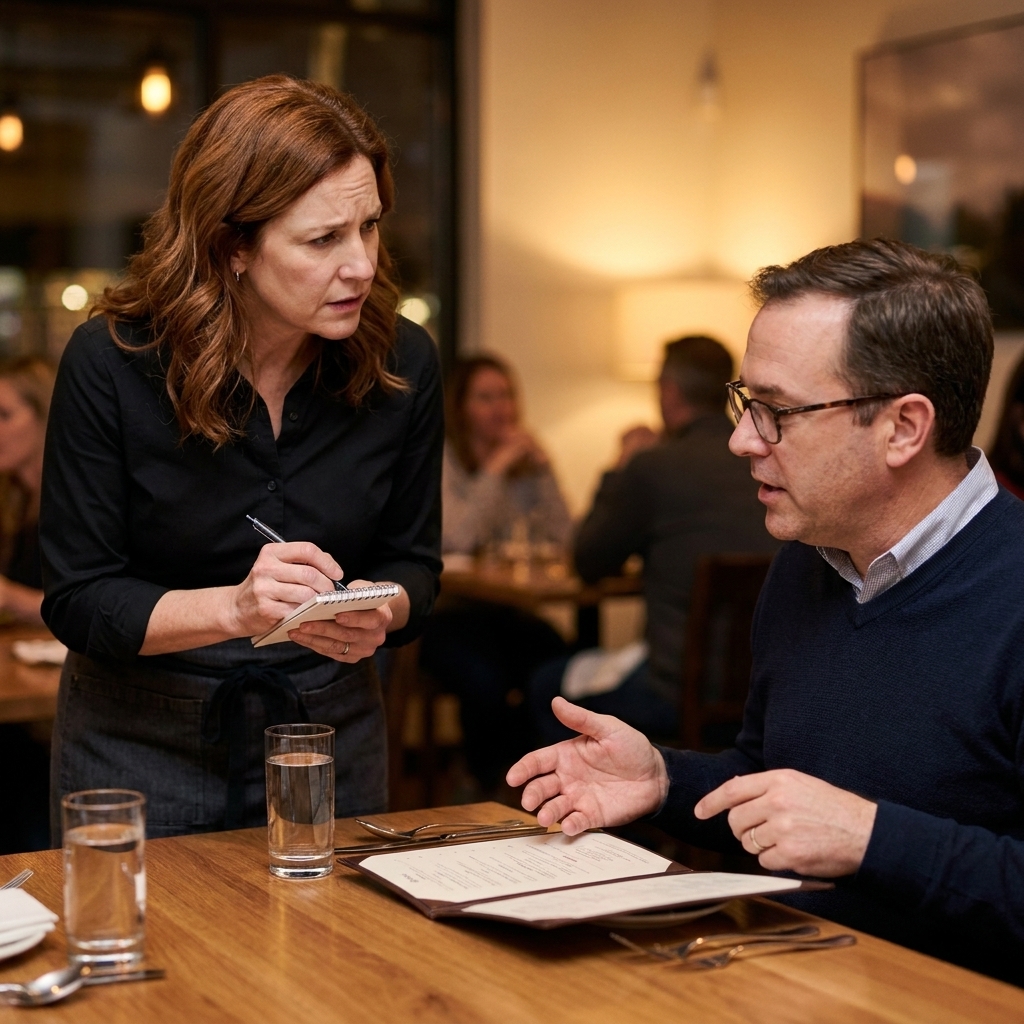
Hand the card over early, ideally when you sit down or when ordering, not after the dish arrives. Ask one simple question, then pause. The goal is collaboration, not interrogation.
If you can, learn two phrases by heart: “I eat only plant-based foods” and “Does this contain fish sauce or stock?” Even when you have a card, effort builds goodwill.
Ordering strategies
Pick the place, then the moment
Vegan travelers often have better luck dining slightly earlier or later than peak rush. In a packed room, the kitchen is triaging tickets. In a calmer moment, there is more bandwidth to adapt a dish.
Lead with what you can eat
Instead of rattling off a list of “no” items, try: “Could you recommend something with vegetables and beans, no dairy or eggs?” It gives staff a path forward.
Build a meal from sides
Some of the best travel meals are unplanned tapas-style situations: salads, grilled vegetables, marinated beans, rice, bread, pickles. You look like you are dining intentionally, not “making do.”
Know the high-risk categories
- Soups often hide meat stock.
- Fried foods can share oil with animal items.
- Sauces are where butter, cream, and fish sauce love to hide.
- Breads and pastries can be enriched with eggs, milk, or lard.
If you only have the energy for one question, make it about the stock or the sauce.
Eat local, stay vegan
Here is the mindset shift that changes everything: vegan travel is not about finding your exact home diet in a new zip code. It is about learning what plant-forward looks like in that culture and leaning into it.
Street food, done thoughtfully
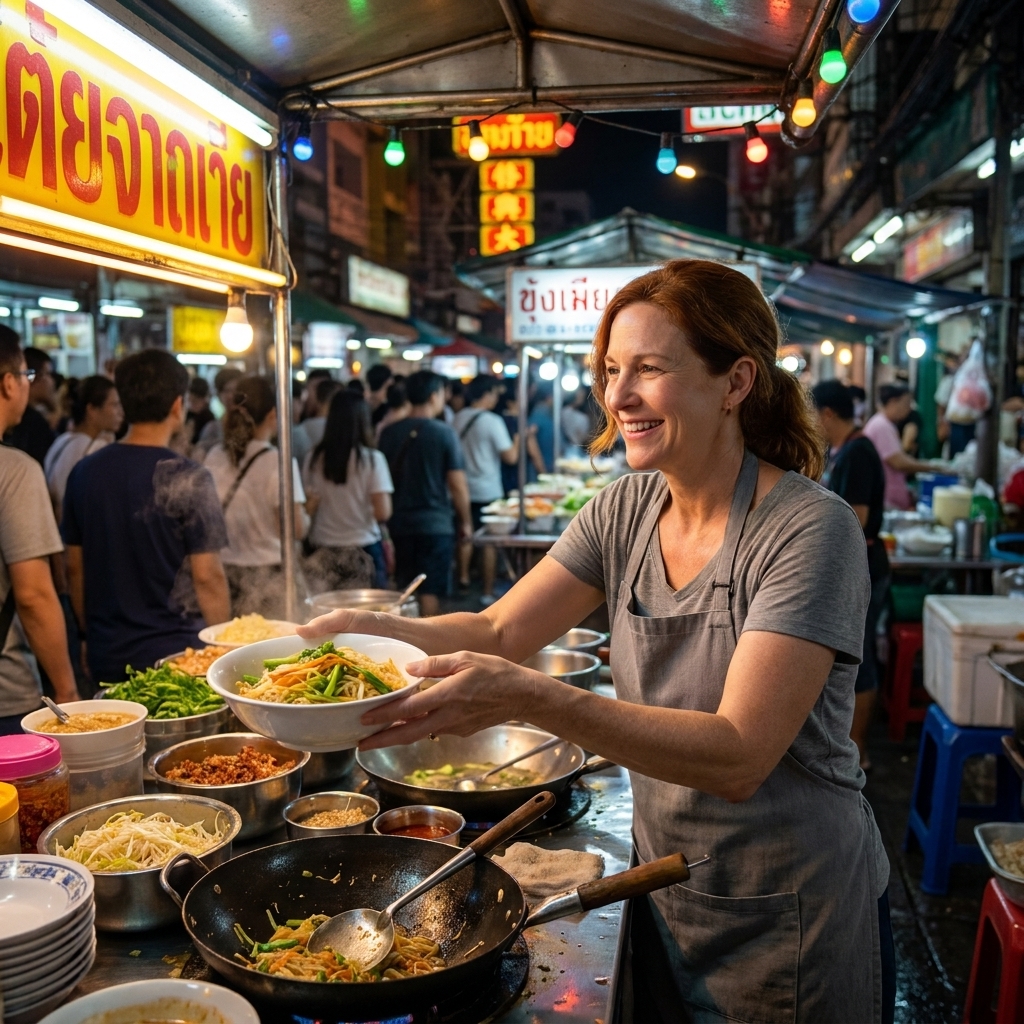
Street food is often where you find the most honest flavors, plus the most direct view of local eating habits. But it is also where ingredients are least labeled. Use these tactics:
- Watch what goes into the dish before ordering.
- Ask if there is fish sauce, stock, egg, or dairy.
- Choose stalls with a clear setup and high turnover.
- If language is tough, point to ingredients you want and use your translation card.
Markets are not Plan B
Markets are where you taste a place at its most local: ripe fruit, nuts, olives, breads, cooked grains, fresh juices, marinated salads. A market lunch can be a highlight, not a compromise.
Respect local definitions
In some places and on some menus, “vegetarian” might still include fish, and “no meat” can still mean chicken broth is fine. Assume nothing, ask kindly, and keep it moving.
If there is a local word for vegan or plant-based, learn it. Still, back it up with ingredients, because labels and standards vary.
Vegan travel with allergies
My own relationship with dining out changed drastically when I developed a severe gluten sensitivity. Travel taught me that clarity saves you from both discomfort and the awkward moment of pushing a plate away after two bites.
Do not stack complexity without a plan
If you are vegan plus gluten-free, nut-free, soy-free, or dealing with multiple allergies, you need a tighter system:
- Use an allergy-specific translation card in addition to a vegan card.
- Prioritize restaurants that explicitly handle dietary restrictions.
- Book accommodations with a kitchenette when possible.
- Carry a safe baseline meal for transit days.
Cross-contact questions to ask
- Is there a separate pan or clean grill space?
- Is the fryer oil shared with meat, fish, or breaded items?
- Can you use clean utensils and a clean cutting board?
These questions are normal in professional kitchens. Asked politely, they signal that you are informed, not difficult.
Drinks without alcohol
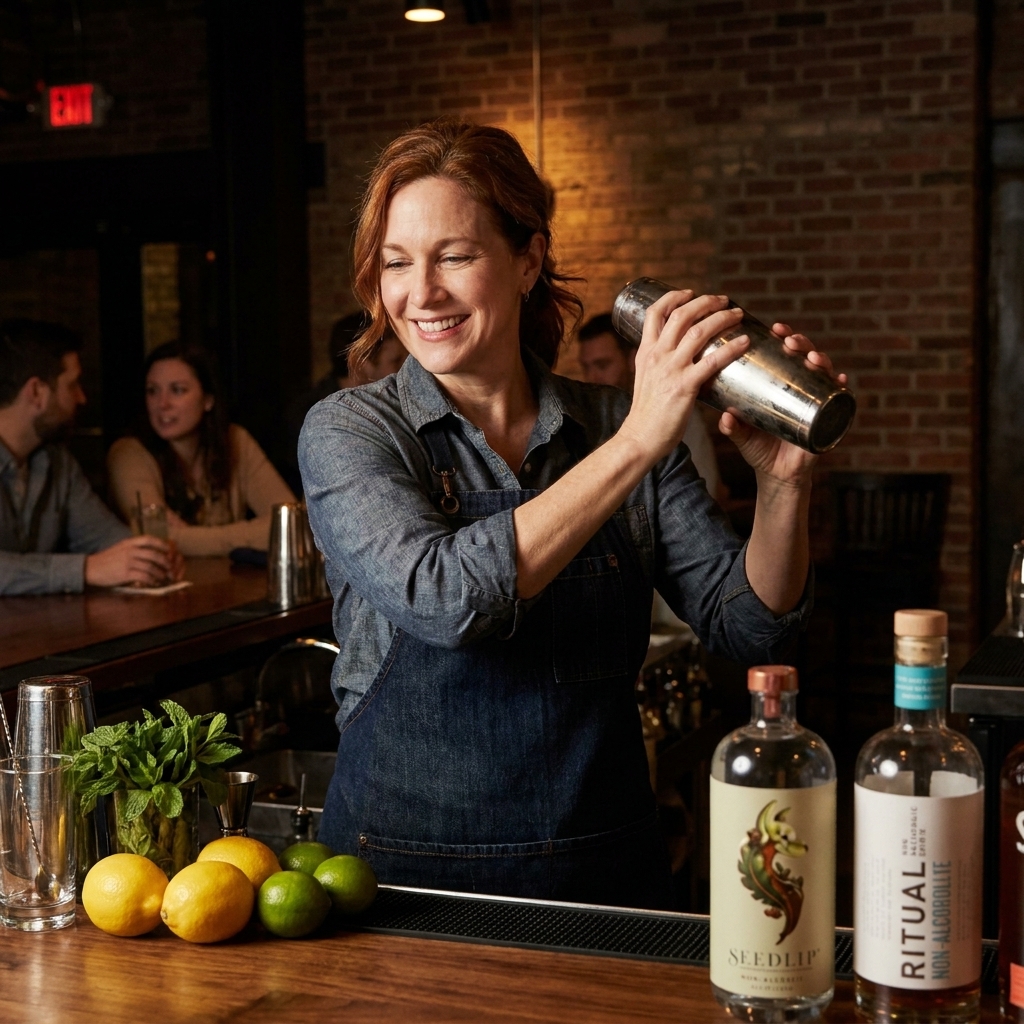
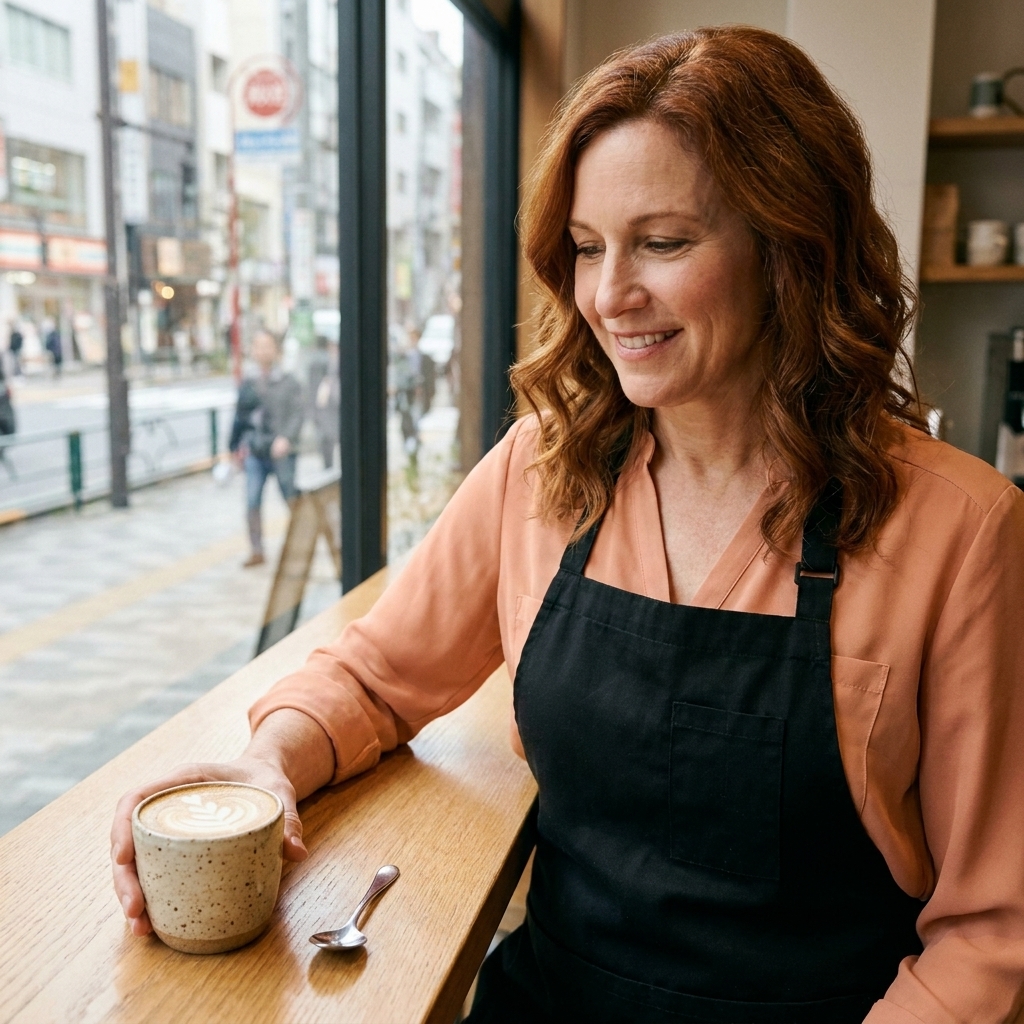
One of my favorite travel joys is a local drink ritual that does not require alcohol: espresso at the bar, iced tea on a humid afternoon, a blended fruit juice after a long walk, a botanical soda you cannot find at home.
Two notes for vegan drinkers:
- Ask about milk options in coffee and tea. Oat and soy are increasingly common, but not universal.
- Watch for honey in teas, lemon drinks, and wellness tonics.
If you are skipping alcohol, you can still drink local. Look for regional sodas, fresh sugarcane juice, or sparkling mineral waters with local citrus. If you are choosing fermented drinks like kombucha or kvass, treat them as low- or non-alcoholic depending on how they are made and labeled, and check when it matters.
Transit days
The toughest vegan meals are not in cities. They are in limbo. Plan for transit like you plan for weather.
My transit-day rules
- Eat a real meal before you leave when possible.
- Carry two snacks you actually like, not just emergency food you resent.
- Assume your first airport option will be a dud and you will be grateful you packed.
- At train stations, head for grocery kiosks over sit-down spots for faster ingredient visibility.
If you land late, have your first meal mapped. Knowing where you can grab something warm and plant-based at 10 pm is the difference between vacation glow and hanger.
Airplanes and pre-ordered meals
If you are flying, request the vegan meal as early as the airline allows, then still bring backup food. Special meals run out, get misloaded, or show up as a sad roll and fruit cup. I plan like I might need to feed myself for one full transit day.
Etiquette
Here is my hospitality veteran plea: you can advocate for your diet and still be someone the staff roots for.
- Lead with respect. A simple “thank you for helping me” goes far.
- Tip for effort. If a kitchen goes out of its way, acknowledge it.
- Do not argue with reality. If they cannot accommodate you, believe them and pivot.
- Be honest about strictness. If shared fryer is a dealbreaker, say so early.
Vegan travel is easier when you treat it as a collaboration. Most good restaurants want you to leave happy. They just need clear information and a little time.
Quick checklist
Before you go
- Save two vegan-friendly spots per neighborhood.
- Download maps offline and screenshot menus.
- Pack translation cards in print and on your phone.
- Book lodging with a fridge, at minimum.
When you arrive
- Locate your nearest grocery store.
- Buy breakfast items and 2 days of snacks.
- Do one easy win meal first to settle in.
At restaurants
- Share your card early.
- Ask one high-impact question about stock or sauce.
- Build meals from sides when needed.
FAQ
Is it rude to ask for vegan modifications abroad?
Not inherently. It becomes rude when it is demanded, vague, or delivered as a moral speech. Ask clearly, accept the answer, and choose another dish or restaurant if needed.
What if the language barrier is strong?
Use a translation card, point to ingredients, and choose simpler preparations where you can visually confirm what is going in. Markets and vegetable-forward spots can be easier than complex tasting menus.
How do I handle situations where vegan is not a familiar term?
Skip the label and list ingredients. “No meat, no fish, no eggs, no dairy, no broth” is more universally understood than the word vegan.
Any tips for vegan fine dining while traveling?
Email ahead. Tell them your restrictions and your level of flexibility. Ask if they can create a plant-based menu, and confirm whether sauces and breads can be made without butter, cream, or eggs. In my experience, the best rooms can do this beautifully with notice.
Should I worry about labeling differences?
Yes, a little. Vegan and plant-based labels do not mean the same thing everywhere, and some places still use honey or other animal-derived ingredients under the plant-based umbrella. When it matters, ask directly and keep your translation card specific.